
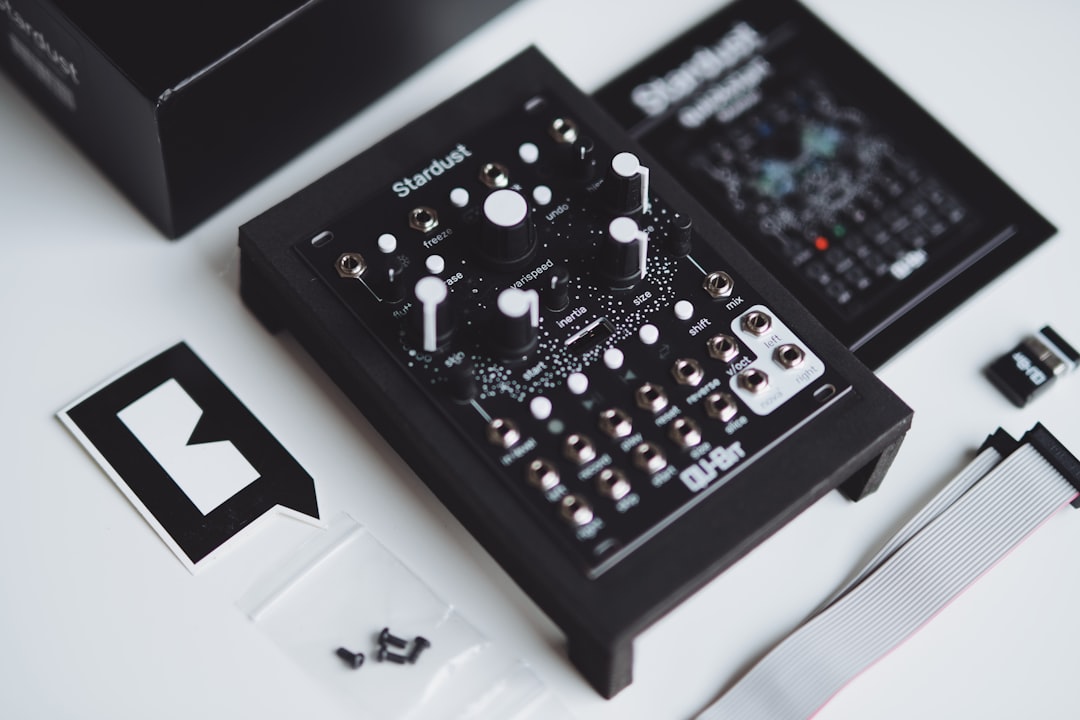
In the world of sound engineering, having the right tools is crucial for achieving high-quality audio production. Whether you are working in a studio, on a live event, or in post-production, the equipment you choose can make all the difference. At echodesignpro.com, we understand the needs of sound engineers and offer a wide range of sound equipment tailored to meet those needs. Here, we will explore the top 10 essential tools every professional sound engineer should have in their arsenal.
1. **Audio Interface**: An audio interface is the heart of any sound engineer’s setup. It converts analog signals into digital data and vice versa, allowing for high-quality recordings and playback. Look for interfaces with multiple inputs and outputs, low latency, and high-resolution audio capabilities.
2. **Microphones**: The type of microphone you use can significantly impact your recordings. Dynamic microphones are great for live performances, while condenser microphones excel in studio settings. Invest in a variety of microphones to cover different recording scenarios.
3. **Headphones**: A good pair of studio headphones is essential for monitoring audio accurately. Look for closed-back designs that provide excellent sound isolation and a flat frequency response to ensure you hear your recordings as they truly are.
4. **Studio Monitors**: Accurate sound reproduction is vital for mixing and mastering. Invest in a pair of studio monitors that offer a flat response and good bass extension. This will help you make better mixing decisions and ensure your tracks sound great on all playback systems.
5. **Digital Audio Workstation (DAW)**: Your DAW is where the magic happens. Choose a DAW that suits your workflow and offers the features you need, whether it’s for recording, editing, or mixing. Popular options include Ableton Live, Pro Tools, and Logic Pro.
6. **MIDI Controller**: A MIDI controller allows you to create and manipulate music in your DAW. Look for one with velocity-sensitive keys, knobs, and pads to enhance your production capabilities. This tool is especially useful for electronic music producers.
7. **Cables and Connectors**: Don’t underestimate the importance of quality cables and connectors. Invest in durable, high-quality cables to ensure a clean signal path and reduce the risk of interference. Having a variety of cable lengths and types will also prepare you for any situation.
8. **Pop Filter**: When recording vocals, a pop filter can help eliminate plosive sounds that can distort your recordings. This simple tool is a must-have for any vocal recording setup and can greatly improve the clarity of your tracks.
9. **Acoustic Treatment**: The acoustics of your recording space can greatly affect your sound quality. Consider adding acoustic panels, bass traps, and diffusers to your studio to minimize unwanted reflections and create a more controlled environment.
10. **Portable Recorder**: For field recordings or capturing ideas on the go, a portable recorder is invaluable. Look for a model with high-quality preamps and the ability to record in various formats. This tool allows you to capture sound wherever inspiration strikes.
### Step-by-step plan:
Step 1: Assess your current sound engineering needs and identify gaps in your equipment.
Step 2: Research and select the essential tools that align with your workflow and budget.
Step 3: Purchase your selected equipment from a reliable source like echodesignpro.com.
Step 4: Set up your workspace, ensuring optimal acoustics and organization for your new tools.
By equipping yourself with these essential tools, you’ll be well on your way to producing professional-quality sound. At echodesignpro.com, we are committed to providing sound engineers with the best equipment available, ensuring you have everything you need to succeed in your audio endeavors.