
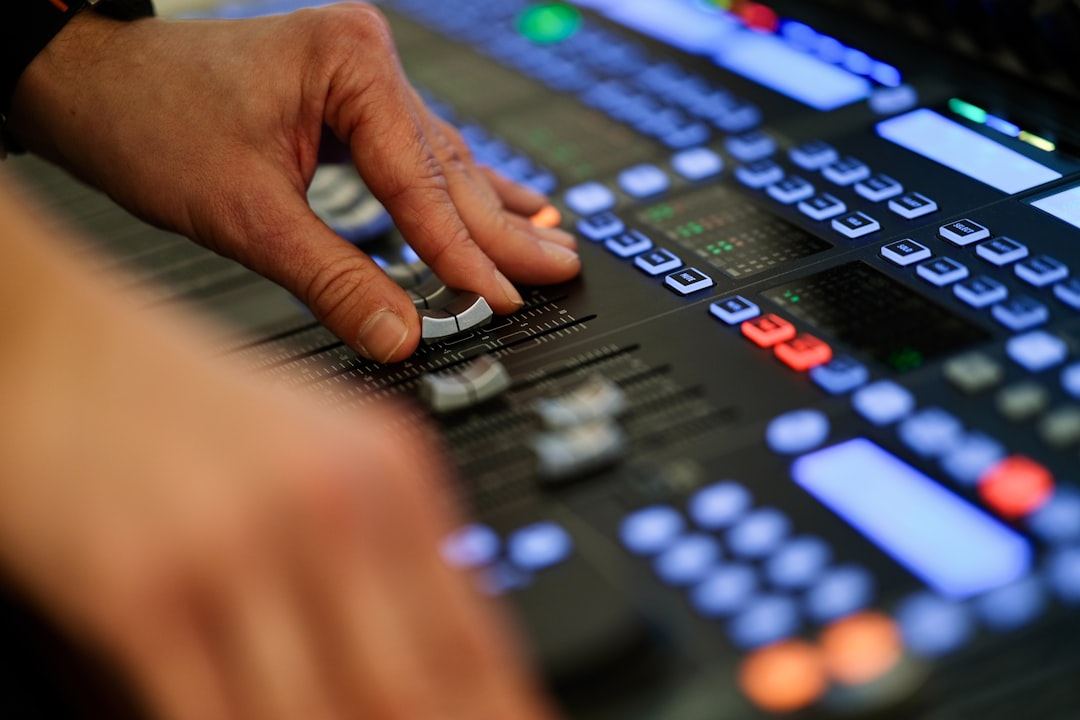
In the world of audio, the choice between budget and high-end sound equipment can be a daunting task for both novices and seasoned professionals. With the rise of ecommerce platforms like echodesignpro.com, consumers have access to a wide range of products that cater to various needs and budgets. This article aims to dissect the critical factors to consider when comparing budget and high-end sound equipment, ensuring you make an informed decision that aligns with your audio aspirations.
First and foremost, it’s essential to understand what you need from your sound equipment. Are you a casual listener, a budding musician, or a professional sound engineer? Your requirements will significantly influence your choice. Budget sound equipment often serves well for casual use, providing decent quality without breaking the bank. However, if you’re aiming for professional-grade sound, investing in high-end equipment is crucial.
When evaluating sound equipment, sound quality is paramount. Budget options may suffice for everyday listening, but they often lack the clarity and depth that high-end models provide. High-end sound equipment typically features superior components, such as advanced drivers and high-quality materials, which contribute to a richer audio experience. For instance, a high-end speaker may deliver a more accurate representation of sound, allowing you to hear nuances that budget models might miss.
Another factor to consider is durability and build quality. Budget sound equipment may be made from cheaper materials, which can affect longevity. High-end products, on the other hand, are often built to last, using robust materials that withstand wear and tear. If you plan to use your equipment frequently or transport it often, investing in high-end sound gear can save you money in the long run by reducing the need for replacements.
Portability is also an essential consideration. If you’re a musician on the go, you might prioritize lightweight and compact options. Budget sound equipment often caters to this need, offering portable solutions that are easy to carry. However, high-end brands are increasingly recognizing this demand, providing premium portable options that don’t compromise on sound quality.
Connectivity options are another critical aspect. Budget sound equipment may offer limited connectivity, which can be a drawback for those who want to integrate their gear with other devices. High-end models typically come with a variety of connectivity options, including Bluetooth, Wi-Fi, and multiple input types, allowing for greater flexibility and convenience.
Price is, of course, a significant factor. Budget sound equipment is designed to be accessible, making it an attractive option for those just starting or on a tight budget. However, it’s essential to weigh the cost against the features and quality you’re getting. High-end sound equipment often comes with a higher price tag, but it can be viewed as an investment in your audio experience. Consider how often you’ll use the equipment and whether the enhanced quality justifies the expense.
Finally, consider the brand reputation and customer support. Established brands in the high-end market often provide better customer service and warranties, ensuring that you have support if something goes wrong. Budget brands may not offer the same level of service, which can be a crucial factor if you encounter issues with your equipment.
In conclusion, the choice between budget and high-end sound equipment ultimately depends on your specific needs, usage, and budget. By carefully considering sound quality, durability, portability, connectivity, price, and brand reputation, you can make a more informed decision that suits your audio lifestyle.
Step-by-step plan:
Step 1: Assess your audio needs and usage frequency.
Step 2: Research sound quality differences between budget and high-end options.
Step 3: Compare durability and build quality of various models.
Step 4: Evaluate connectivity options and brand reputation before making a purchase.